
Glaucoma is one of the leading causes of irreversible blindness worldwide. It develops slowly, often without early warning signs, until significant vision loss has already occurred. Because of this, researchers and clinicians stress the importance of risk awareness and early detection.
One of the most important risk factors for glaucoma is family history. If your parent, sibling, or child has been diagnosed with glaucoma, your own risk is significantly higher. But what does that mean for you in practical terms? Should you book an exam immediately, even without symptoms? And how often should you be tested?
This guide explains how glaucoma is influenced by genetics, what current research says about hereditary risk, and the recommended testing guidelines for individuals with a family history.
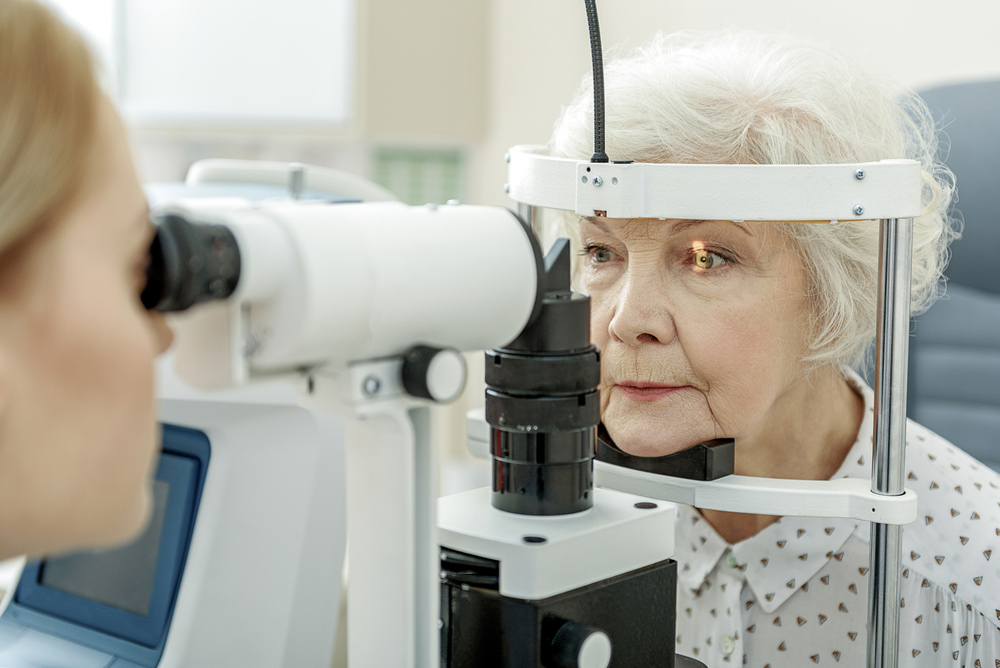
Understanding Glaucoma
Glaucoma is not a single disease but a group of eye conditions that damage the optic nerve, usually due to increased intraocular pressure (IOP). Over time, this damage reduces peripheral vision and can eventually cause total blindness.
Key facts about glaucoma:
- Often develops silently, with no pain or early vision changes
- Most common types: primary open-angle glaucoma (POAG) and angle-closure glaucoma
- Risk increases with age, ethnicity (e.g., African and Asian descent), and systemic conditions such as diabetes and hypertension
Because damage is permanent once it occurs, prevention through early detection is essential.
Is Glaucoma Hereditary?
Yes—genetics plays a major role in glaucoma. Studies show:
- People with a first-degree relative (parent, sibling, or child) who has glaucoma are up to 9 times more likely to develop the condition themselves.
- Genetic factors are particularly strong in primary open-angle glaucoma, the most common form in Australia.
- Mutations in genes such as MYOC and OPTN have been linked to hereditary glaucoma, though routine genetic testing is not yet standard practice.
Key Point: If glaucoma runs in your family, you are considered “at risk,” even if you currently have no symptoms.
How Family History Affects Risk
Not all relatives carry the same risk. Here’s what research suggests:
- Parents and siblings: Highest risk group. If either is diagnosed, your chances of developing glaucoma increase dramatically.
- Grandparents, uncles, aunts: Still significant but slightly lower risk.
- Twins: Identical twins show a much higher concordance rate than fraternal twins, highlighting the strong genetic component.
For patients over 40, the presence of a family history means more frequent eye checks are recommended compared to the general population.
Why Early Testing Matters
The main danger of glaucoma is that it progresses silently. By the time vision changes are noticeable, damage is usually advanced.
Early testing can detect glaucoma before major vision loss. Standard examinations include:
- Tonometry: Measuring intraocular pressure
- Ophthalmoscopy: Assessing optic nerve health
- Visual field testing: Mapping peripheral vision
- OCT (Optical Coherence Tomography): High-resolution imaging of the optic nerve and retinal nerve fibre layer
For those with a family history, OCT imaging and pressure monitoring are particularly valuable because they can reveal early structural changes invisible to standard eye exams.
Testing Guidelines for At-Risk Individuals
If you have a family history of glaucoma, ophthalmologists recommend:
- Baseline exam by age 40 (or earlier if another risk factor is present)
- Follow-up exams every 1–2 years depending on findings
- Annual exams for high-risk groups (family history plus other risks such as age over 60 or diabetes)
For patients of certain ethnic backgrounds (e.g., African or Asian descent), testing may begin even earlier due to higher overall risk.
What Happens if Early Glaucoma Is Found?
A diagnosis of early glaucoma is not a cause for panic. Today’s treatment options allow patients to preserve vision and maintain quality of life for decades.
First-line treatments often include:
- Prescription eye drops to lower intraocular pressure
- Laser therapies to improve fluid drainage
If medication and lasers are insufficient, surgical options such as trabeculectomy, tube shunts, or minimally invasive glaucoma surgery (MIGS) may be recommended. These procedures aim to control pressure long-term and prevent progression.
Living With a Family History of Glaucoma
Being told you’re “at risk” can feel daunting, but it doesn’t mean vision loss is inevitable. With proactive management:
- Regular monitoring allows early intervention
- Lifestyle choices—like maintaining a healthy weight, avoiding smoking, and controlling blood pressure—support overall eye health
- Advances in surgical techniques mean better outcomes for patients who require operative treatment
The key is not waiting for symptoms. A family history should be treated as a prompt to stay ahead of the disease.
Questions Patients Often Ask
“If my parent had glaucoma, will I definitely get it?”
No. Family history increases your risk but does not guarantee you’ll develop glaucoma. Many people with family history never develop the disease—especially if they’re monitored regularly.
“Should my children be tested?”
If you have glaucoma, your children should have baseline eye exams earlier than average, ideally starting in their 20s–30s.
“Is genetic testing available?”
Research is advancing, but genetic tests are not yet widely used in clinical practice. Eye exams remain the most reliable way to detect risk and progression.
Concerned About Glaucoma on the Gold Coast?
Glaucoma may be hereditary, but it is also manageable when caught early. If a close relative has been diagnosed, it’s important to treat yourself as “at risk” and follow specialist testing guidelines. Regular exams, advanced imaging, and—in some cases—timely surgical intervention make all the difference in preserving vision.
For patients seeking expert care, Pacific Eye Clinic provides diagnosis, monitoring and Glaucoma surgery on the Gold Coast. Whether you need routine testing or advanced surgical options, our team offers comprehensive, personalised care to help safeguard your sight.
Author
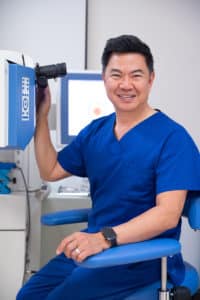
Dr Marc Wei
Dr. Marc Wei is the principal specialist laser and cataract surgeon at Pacific Eye Clinic in Southport on the Gold Coast. He has 20 years of trusted experience in advanced laser cataract surgery and has completed more than 15,000 procedures over the course of his career.